Which came first, the chicken or the honey bee?

Ever hear of the story of which came first, the chicken or the honey bee? Sit down for a spell, have a cup of tea and let me tell you.

I can remember many years ago basically begging Andrew to let me acquire and care for, either chickens or honey bees. I strategically made arguments for each overflowing with facts such as either could easily live healthy and happy on a third of an acre. Also both are incredibly beneficial to the environment and would give us delicious rewards in return. After months of of listening to me blurt out random facts like how honey on a grocery store shelf was probably 1:4 corn syrup, and every time we bought eggs, even organic free range, they could already be up to three months old, he bended (he really always does, and I am so lucky to have someone that supports my sometime insane whims.).

Now I know what you’re thinking, bees bees bees! Actually when it was decided, we had chickens first! Chickens won out because at the time, Andrew was still a bit hesitant about having honeybees in the backyard (something about neighbor kids, stingers, the dogs and so forth). Now, whatever reservations about either are gone. I was perfectly content with cute fluffy chickens, and we eat quite a lot of eggs.
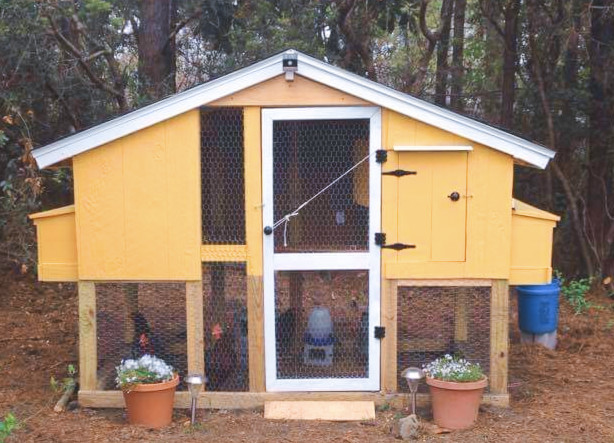
So while Andrew and my father in law Drew (if only everyone were lucky enough to have a Drew but more on that another day) started to construct what would later be christened Cluckingham Palace, off I went to a livestock auction with my good friend Rachel. Although my father bred cattle for market, I was raised such and truly believe that all animals deserve good homes. It is our utmost responsibility to treat them humanely, provide what they cannot obtain, maintain their health and respect their life for they add such value to ours. Just like kittens and puppies, chicks will always be bought first; however, a two year old hen still has good years left and is already laying. I knew what I was looking for but was doubtful that they would have the heritage breed English Speckled Sussex. This breed is known for being a dual bred, above average layers, easy keepers and having a good disposition. Basically the chicken lottery in my humble and novice opinion.
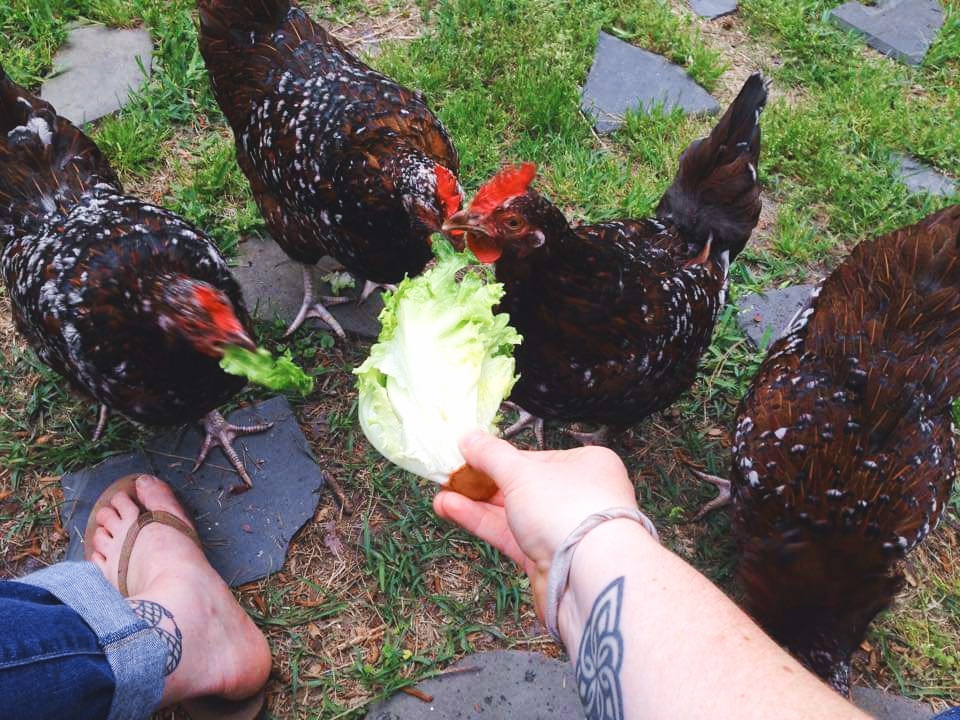
Low and behold I came home with not two, but four speckled Sussex hens. We named them, loved them and cared for them. They made themselves right at home selecting the perfect area for their daily dust baths. I am here to tell you friends, chickens have so much give and are quite unique. They would fly through the yard when Andrew came out, knowing he had some kitchen scrapes or treats for them. All four girls started laying within three days and continued to lay everyday even through winter and the snow we actually got that year. We let them out of the coop when we were home and around they ventured, never leaving the yard and only seeking to destroy a few flower beds. The tradeoff was much in our favor for the eggs they laid went to us, neighbors, our extended family and friends. If you have never had a fresh egg, I strongly advise finding at least a friend with chickens.

It’s been a couple years since we had chickens, but I foresee speckled fluffy feathers in the yard again soon. I wish every neighbor would put a small coop in the yard and get a couple hens. They are such a wonderful asset to the yard, providing pest control, fertilizer and if left to free range, or rotated in a chicken tractor you have the most lush yard imaginable. Plus they are FULL of personality…

Stay turned for the next chapter, and my personal favorite…the epic, indispensable and incredible apis mellifera. Also

known as the European honey bee.

Spots on your fruit is a good thing, and so are pear preserves.

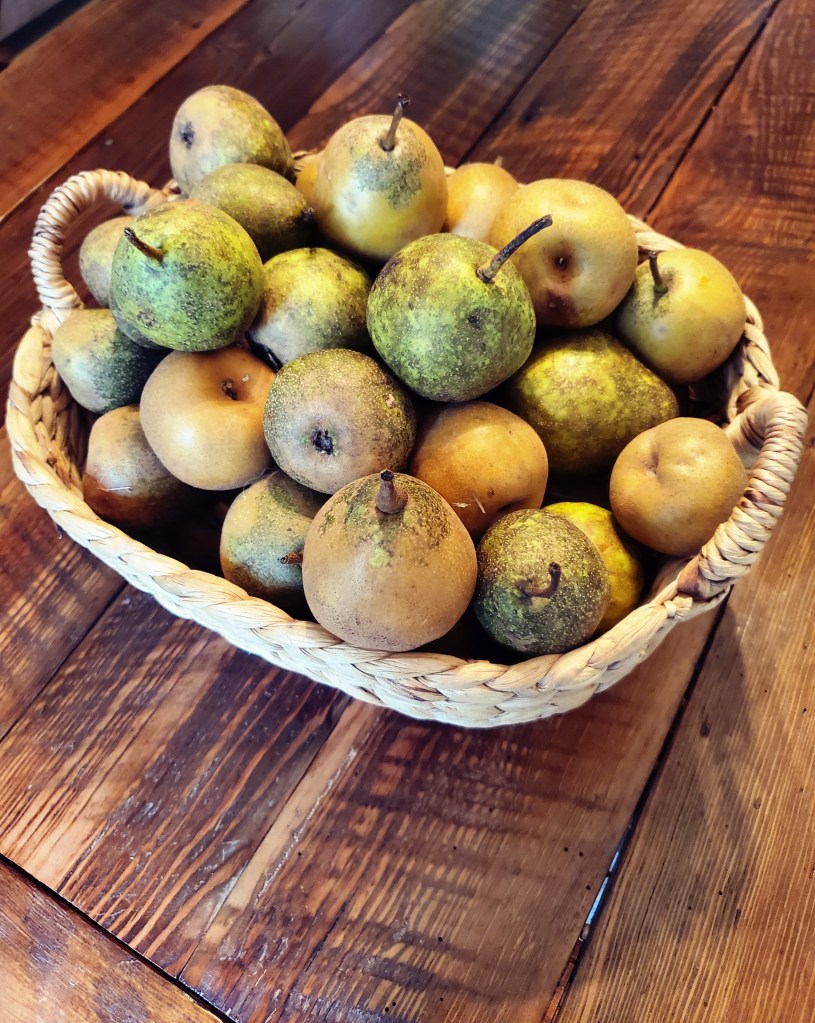
“Never look a gift horse in the mouth” they say… I agree and would add “Never judge a gift fruit on it’s appearance.” Yesterday I was given the gift of fruit. I NEVER turn down fruit, like never ever. If someone is blessed with a crop large enough and has bounty to share, I am ecstatic. And usually try to repay that kindness with whatever I make from it. Yesterday the gift was pears, and the gift in return is pear preserves. Quid pro quo my friends. Give and take. Kindness repaid with kindness is something I truly believe we need more of these days.

It baffles me that some think fruit actually grows the way they see in a supermarket. Shiny, perfectly shaped and blemish free. It is not their fault, as we are conditioned by what we are taught and exposed to, but people, have you ever seen anything in this world that is all natural also be blemish free and perfect? I wager not. I challenge you to look up the fruit and veg industry. Dig deep about what you eat and feed your family. I guarantee you will be utterly shocked at the amount of food we waste in America, because it doesn’t “appear appeasing to look at.” Spots, bumps, crooks, lines, wrinkles and even bruises (I love a warty, weird shaped pumpkin for carving) are OK in life, as well as on your fruits and veg. It doesn’t affect the taste nor the use of them in recipes. I will gracefully step off my rickety soapbox and get back to my gifted, perfectly spotty, bruised and misshapen pears.

Fruit preserves are my personal favorite. There are minimal ingredients, require nothing more than time and patience and are so delicious. My family loves the chunkiness of preserves versus a jelly also. In winter, a bite of preserves on toast or cracker is a reminder of spring or summer, good times past and a soon start to another year.

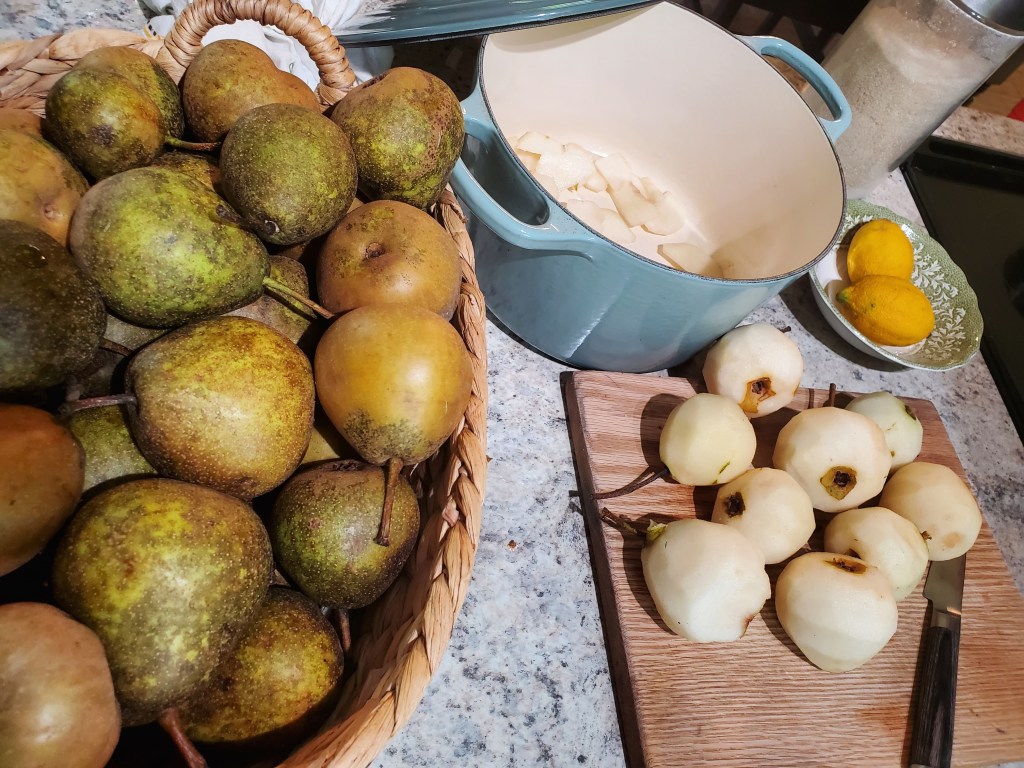
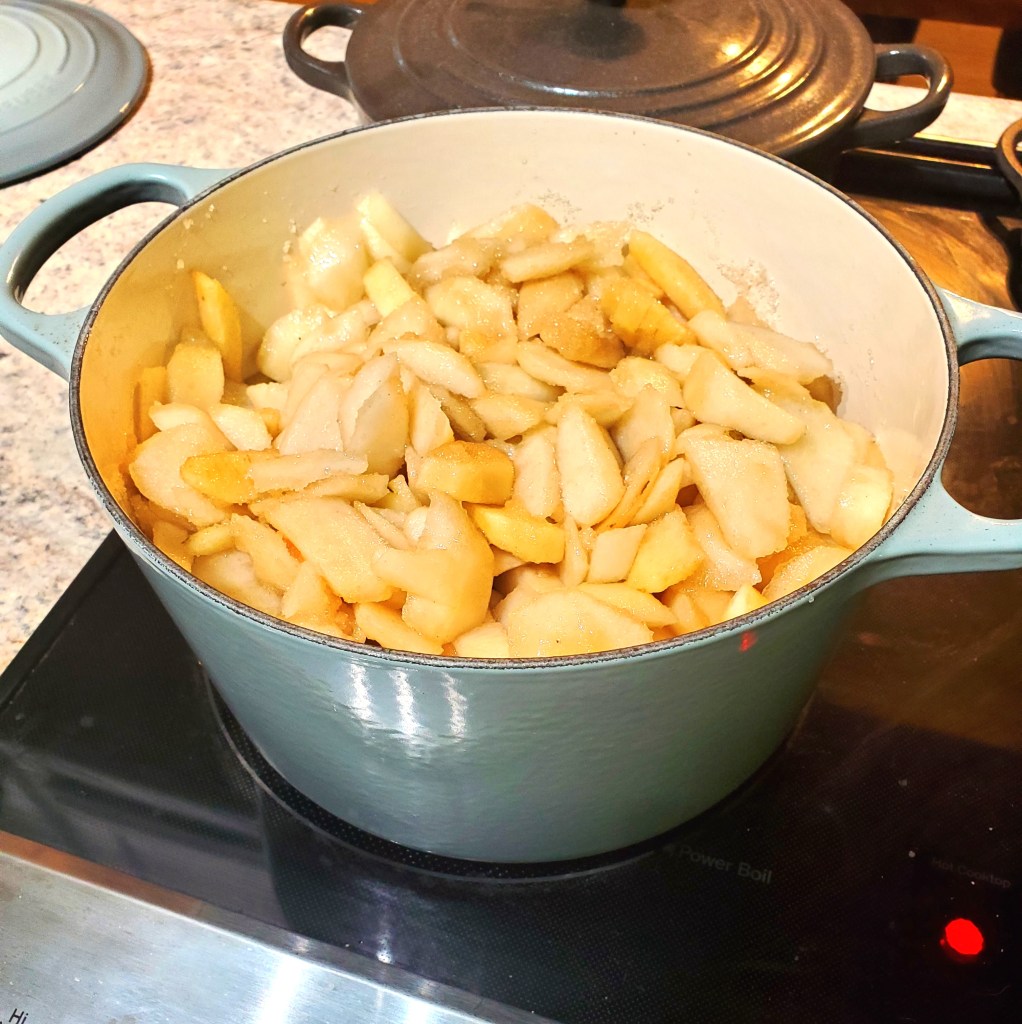
All one needs for fruit preserves of any kind is just the fruit, sugar or honey, and a bit of lemon juice. That’s all you say? Yes, it really is. Sure you can add things like spices, additional pectin or even butter to reduce the foam when using berries like strawberry or blackberries. The old soul that I am prefers things unaltered and as simple as possible without sacrificing taste or shelf life. After washing and peeling, just add the juice of a lemon and sugar. Then cook for a few hours in a pot of choice ( I prefer a cast iron dutch oven as it keeps the temperature even), stirring a few times until the fruit is soft and darkens.

After that step just ladle into jars of choice. Please remember to preheat the jars (having jars break is no fun and quite the mess…you haven’t canned until this has happened at least once). You can add the step of hot water bathing for ten minutes if you are in for the long haul and are overrun with fruit, making enough for the rest of the year. Or just put the lid on, let them cool and put in the fridge for immediate enjoyment. I will say, if you intend to gift it like I do, I highly suggest telling your recipient to place in the fridge if you chose not to hot water bath for prolonged storage. Botulism is nothing to joke about…and that my friend is a topic for another day.

The detailed recipe for pear preserves to be printed or saved can be found in the recipes page.

The green bean debate…

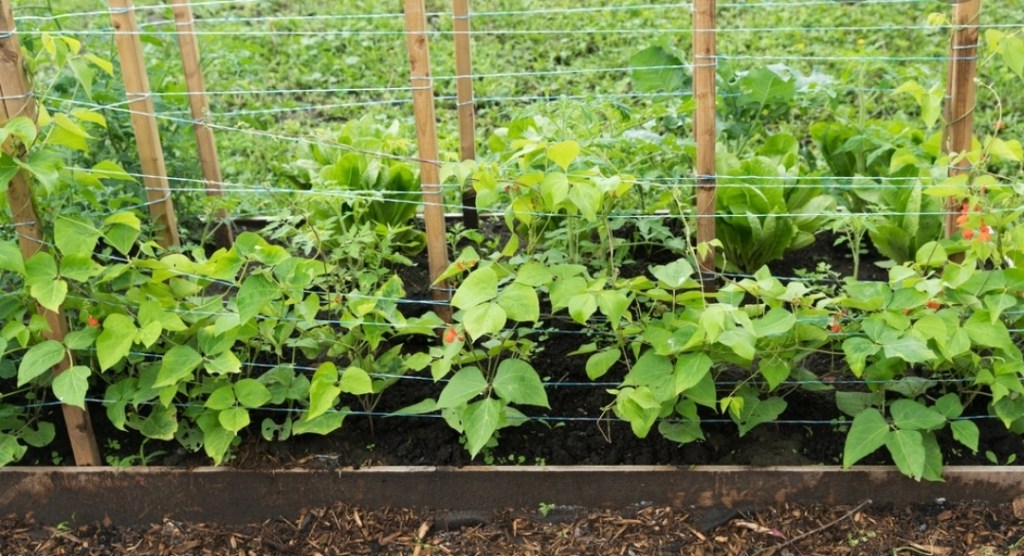
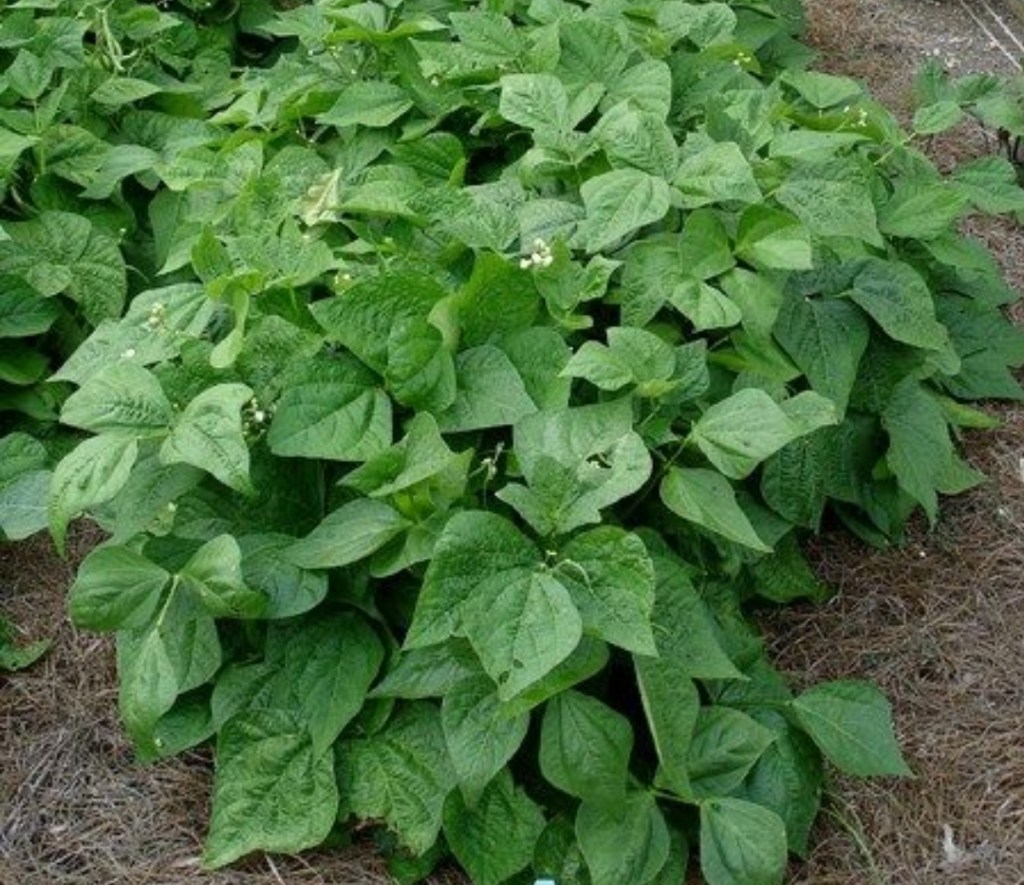
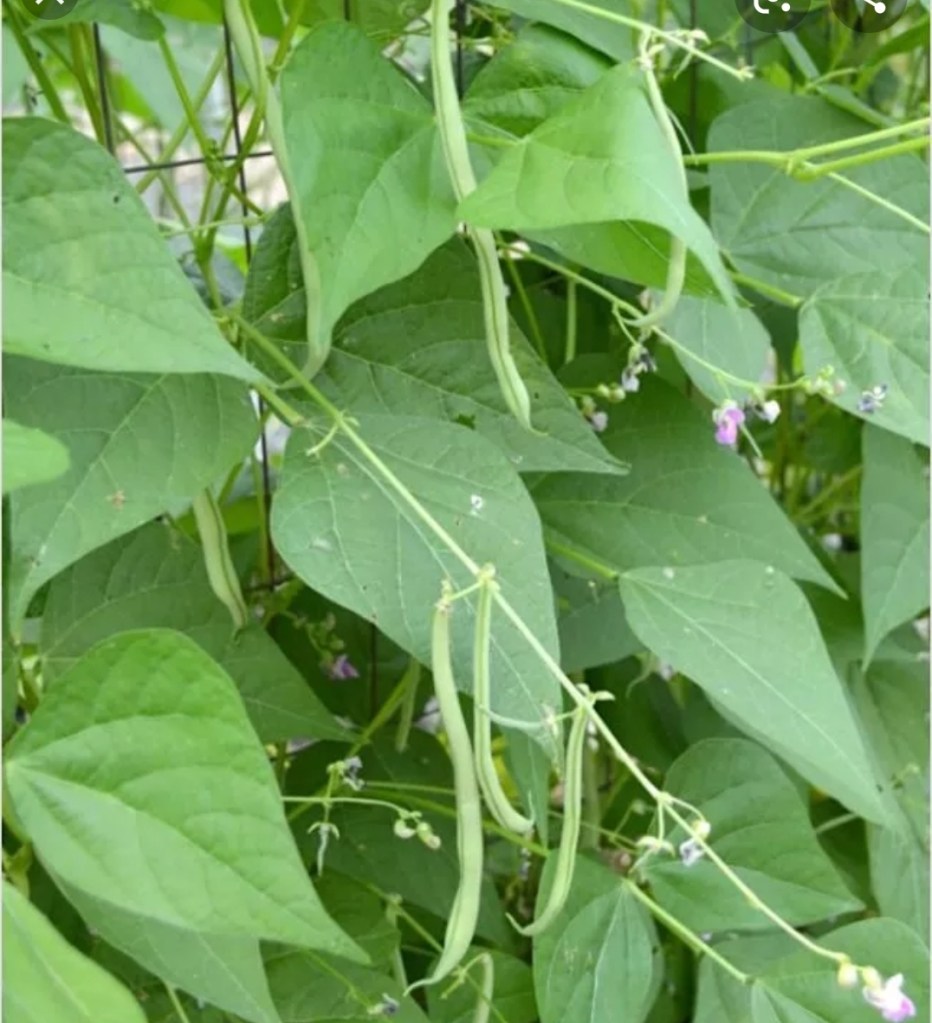
For probably a solid decade I only thought there was one kind of green bean. Specifically blue lake beans. The kind that you planted, waited a week, then had to go out and put up a trellis, teepee or some kind of support for which it to run up. AKA…the pole bean.

Well, a few years ago I asked my father to plant me a few rows of green beans, so I could put up a few runs. Also known as canning/pressure cooking them in order to preserve them for the year to come (more on canning food at a later date, I promise). Now my father was a cattle farmer, and at that time was caring for around one hundred and ten heads of black angus, all alone. I knew he didn’t have much time to devote but alas he agreed. When he called, I drove the four hours and walked out to, brace yourselves, three seventy feet long rows, of bush beans. Yes, I was not only flabbergasted at the sheer volume that was staring back at me, but there were no supports, no poles and no string everywhere. I remember looking at him then back at the massive rows grown for a family of six. He just laughed and said, “Let’s get to it girl.”

Now since learning about the two, I have heard folks argue over pole beans versus bush beans for years. Pole beans are more vine-like and do have a longer season as far as production goes. So you will have one growing season and weather permitting get a good yield from that one planting. It can be (usually is) a real bother to have to clean up the mess afterwards.

Bush beans are said to be easier to grow, but don’t come without their own cons. You basically plant them and walk away. However, they only give you two good crops about two to three weeks apart, and they have been known to do a real number on one’s back bending over like that.

That week was one of my fondest memories as an adult with my father. We limped around carrying our full five gallon buckets. We snapped watching television long into the night. I had learned to put up green beans in that old kitchen from my grandmother, and it was special to continue the tradition. Ever since that summer, I prefer bush beans. Where we live I can plant up to three separate crops of bush beans due to our May – November warm season. I don’t mind replanting multiple times in order to avoid the stringing. One trellis for peas is enough to frustrate me.

So, here we go. Green beans in general are one of the easiest, fastest growing crops for a gardener to grow! They are perfect to start off a garden with and do not damage or drain the soil of nutrients. There are so many varieties to choose from (I order 99% of my veg seeds from Johnny’s Seeds). Trust me it’s not too late in the year…get some pole bean seeds or bush bean seeds and start growing!

The Year of the Blackberry.

I don’t know about anyone else out there, but we are drowning in huge, sweet make me proud blackberries right now. And I’m one hundred percent okay with it. They have always been my favorite berry and are around for a short period of time every year, in-between spring and summer. For three years we have had our five bushes, gifted from a fellow farmer friend (thanks Jason). Two are thornless and the others are traditional. I have pruned, composted and prayed over these babies.

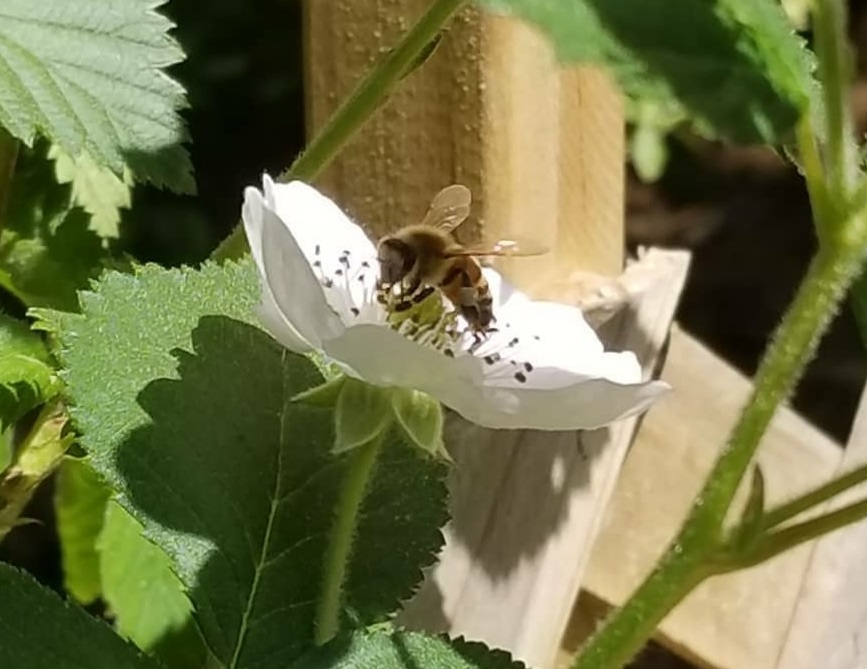
The first year we kept them alive. Hooray for small victories right?! Last year we got enough for a pie; you read that correctly, one pie. I did get some great photos of our honeybees collecting nectar so all was not a loss. I trimmed them back after their gallant effort, mulched heavy over winter, and well forgot about them.

This year ladies and gents, the bushes did not fail us! They came forth in early spring growing with such force I thought I would have to add more support or an arch for them to grow over.

These are what the bushes looked like earlier today. Thank you Priapos, Emesh, Demeter and all other gods and goddesses of nature and agriculture. And as ever many thanks for the education I have received from my man Charles Dowding. Check him out if you haven’t yet and want to up your gardening game.

I harvested three pounds of berries today along with some beans and tomatoes. There are so many more berries that will keep me busy for about another week. Needless to say I usually take full advantage freezing and preserving and making all the jam.

So, the thought for the day is have patience in regards to things that grow, which is something I am always working on. I rename 2020 The Year of the Blackberry…she has earned it.

Beginners guide to permaculture…

I say it all the time, and I will stand by this truth, that one does not need a huge farm or acres of land to produce an abundance of fresh fruit and veggies all year. That being said, let’s talk about permaculture today and the first steps you guys can take towards a no dig garden.

I still find the concept of no-dig gardening rather brilliant and fascinating, and I’m a fifth or sixth or who really knows what generation farmer. We inherited a large parcel of land in Surry County from my father; however, it is four hours from home, and we live on a third of an acre in the city. So naturally we grow our vegetables and fruit here at home. Like I mentioned, I come from a long line of farmers and for years I did as I was taught. Plow up the soil, fertilize, plow again for rows, seed, water, weed and repeat. Crop rotation was a MUST if there were any hopes of not ending up with a bunch of dust and sand. I mean anyone that has ever had a garden knows it is hard work! I wanted our growing garden to be more sustainable, still produce good crops and be manageable as we both work full time jobs. I stumbled across Charles Dowding’s no-dig gardening method six years ago and have not looked back since.

per·ma·cul·ture

noun noun: permaculture

  • the development of agricultural ecosystems intended to be sustainable and self-sufficient.

When you search the word permaculture, that is what will come up. Seems pretty simple right? Believe me when I say, “It is that simple!” I can not emphasize how much more than that it actually is my friends. It is life changing for both the earth and the gardener. Permaculture is basically, in my opinion, a way to grow veg without digging, minimal weeding or “damaging” the earth. As a bonus you only need to water maybe 10-15% of the time and only in drought. Also, it is not a new concept; been around forever.

Now I know y’all are going to think this is crazy (I was once you), but start your permaculture journey (today!) by layering compost then grass clippings, fallen leaves or straw/hay on top of your garden. Yes I said put those grass clippings on top! It effectively smothers the weeds while keeping moisture in the soil and therefore close to the roots. As the “mulch” decays it composts right there, giving your veg much needed nutrients. Mind blowing I know! The key is to mulch thick; that’s how you get a good barrier with hardly any weeds peeking through.

One of our beds mulched in grass clippings. I have watered once since transplanting them from the greenhouse a month ago.

That is all it takes to start transitioning your current garden towards a more sustainable, permaculture alternative. When adding plants, you simply move aside the top layer, make a small hole the size of the plant (a quarter size if sewing seed directly) and add the plant. Yes it is that easy. I will go through that tomato bed and add marigolds, and companion plants once they are established. There is a pumpkin that popped through, and we are going to leave him…let’s see what happens with that little guy!

I can hear you all saying, “Wait a minute. No weeding, no watering, no tilling etc.” I honestly have not tilled up our gardens in six years. Not once. Let the earth rest and trust that she will provide. I walk through the gardens and maybe pull one weed or volunteer seedling maybe every three weeks. Just keep the layers coming and you will see the difference undisturbed soil makes.

Good luck. I cannot wait for you to start your permaculture gardening journey! Look into Charles Dowding’s methods if you want. And if you have questions be sure to drop us a line. We are happy to help any question we can.

Enjoy the little things.

So, as the title conveys, I believe that it is so important to recognize and enjoy the little things. Maybe that’s why I decided to launch this site.

Today I’m sitting here on my back porch under an umbrella, listening to wild birds chirp, neighborhood dogs bark (our three are laying down quiet for a change), snacking on some old fashioned chips. I know these chips aren’t grown or made here, but reread that title up there friends.

Due to a state wide stay at home order here in NC, we all have had to rethink life a bit haven’t we? Adjusting to a new normal is hard. I don’t know what our normal would look like if we didn’t cook. Or if we didn’t grow fruits and veg, can and freeze them, make bread and keep a store of basics around at any given time. I have said it before, but I am beyond thankful for the knowledge handed down to me regarding this aspect of life. I have been asked if we are “preppers” before and laughed. I replied, “No. I’m just from the country and it’s what we do.”

Andrew and I have shifted gears towards this new, temporary normal. He is working from home while I am furloughed. But the beautiful little thing is that we are blessed to be together. There are many families seperated, and many families constantly stressed because one or all of them are considered essential. We can enjoy mornings (coffee for me, tea for him) and evenings together. I work in retail so this is a new, wonderful little thing for us.

Now, if you know us from Instagram, you know I basically took control and dominated the hashtag #myhusbandcooksbetterthanyours. Let’s face it he does. I’m pleased to announce that even though I’m home all day, he still has been cooking supper every night. While he is the chef, I’m the baker. I’d say its a win win here at Roper Farms. If it needs to proof, mix, ferment, rise, be shaped or bake I’m the gal in the kitchen.

I get asked for the recipe everytime I mention einkorn tortillas on my Instagram (if you haven’t yet, follow us with that little IG camera down there). So it seems only fitting that should be the first recipe I share here. If you head on over to Food, there she is folks in all of her wondrous glory. It is a very simple, yet time consuming recipe that once you master you will continue to use time and time again.

I have been using einkorn flour as our staple for the better part of a decade. Those who are aware, know the frustrations associated with Hashimotos Disease and/or any autoimmune regulated diet. I have Hashimotos, and have found that while I have not shown enough antibodies to have Celiac Disease, einkorn flour does not bother my stomach nor do I have any adverse effects from digesting it like with others. People, #knowwhatsinyourfood. That’s the one true thing I hope you get from this site. It’s such a little thing. I could go on and on about that subject forever…

Gracie June, enjoying the little things on a daily basis…

Hi everyone, I’m Rebekah…

Roper Farms has been around a few years (we do have a small business sharing the name), however it was born out of years of encouragment from my husband, family and friends. I have been making food from scratch, canning jams and pickles and growing vegetables longer than my adult mind can remember.

Our family consists of my husband Andrew, myself, two English Springer Spaniels named Gunner and Gracie, an inherited Australian Cattle Dog named Allie and a green tabby cat that fittingly bears the name Olive. Our small cottage is on a third of an acre in Wilmington, NC. We hope to inspire you to broaden your view on what can be done with a small bit of earth, hard work and the happiness that doing things “the old fashioned way” can bring to life.